
Selling Your Car in Perth? Fix the Dents First

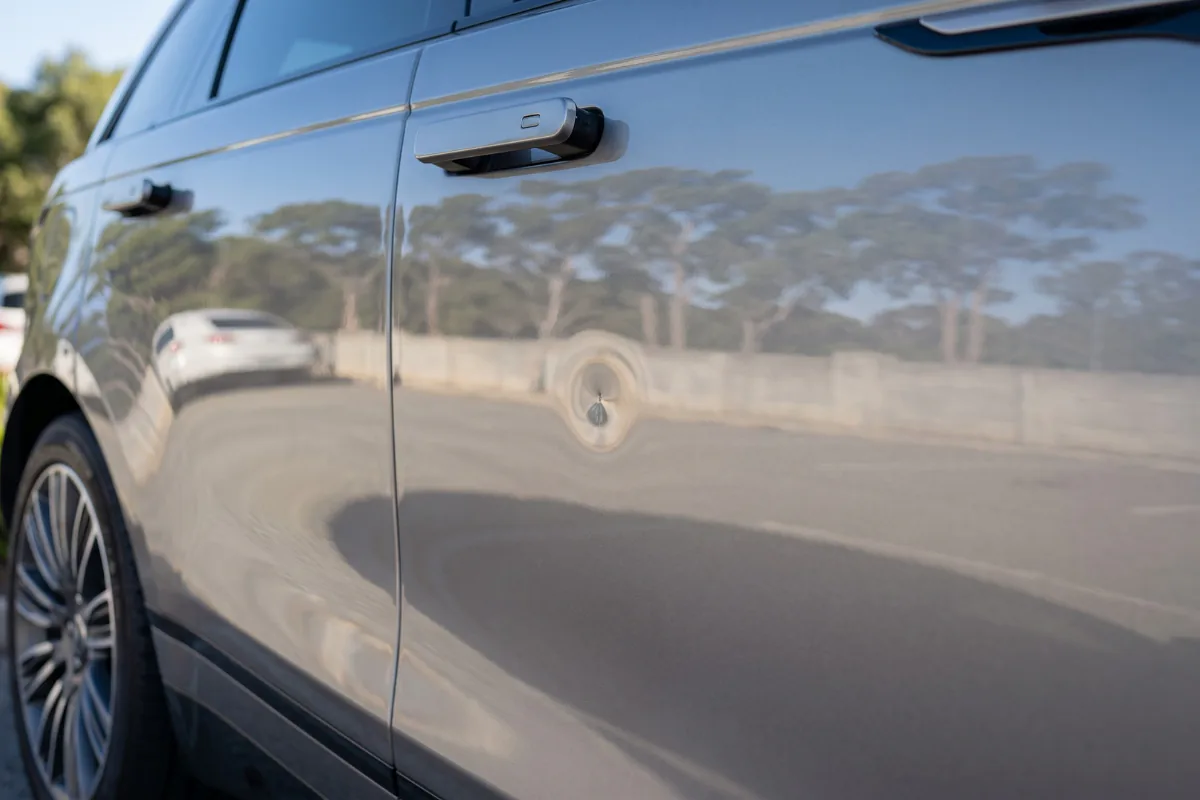
Dents cost you more at sale time than they cost to fix. Here's why Perth sellers use PDR before listing their car and why the numbers almost always stack up.
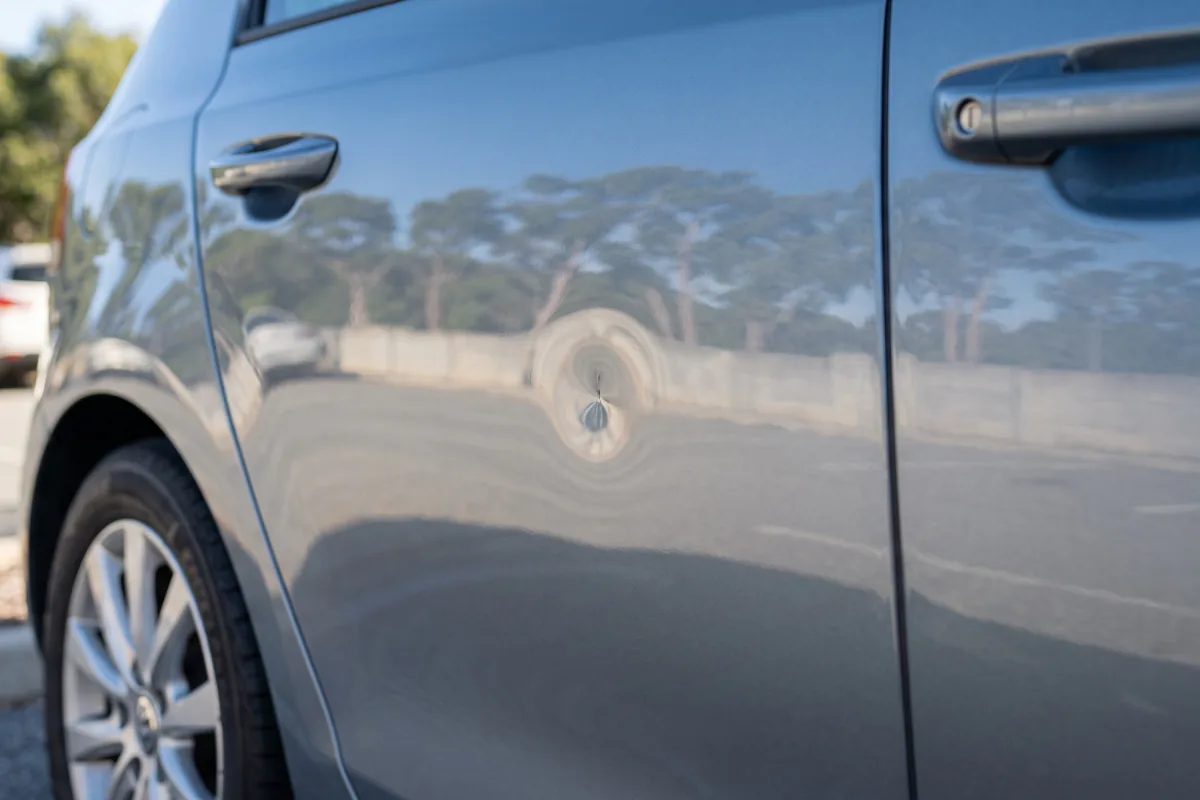
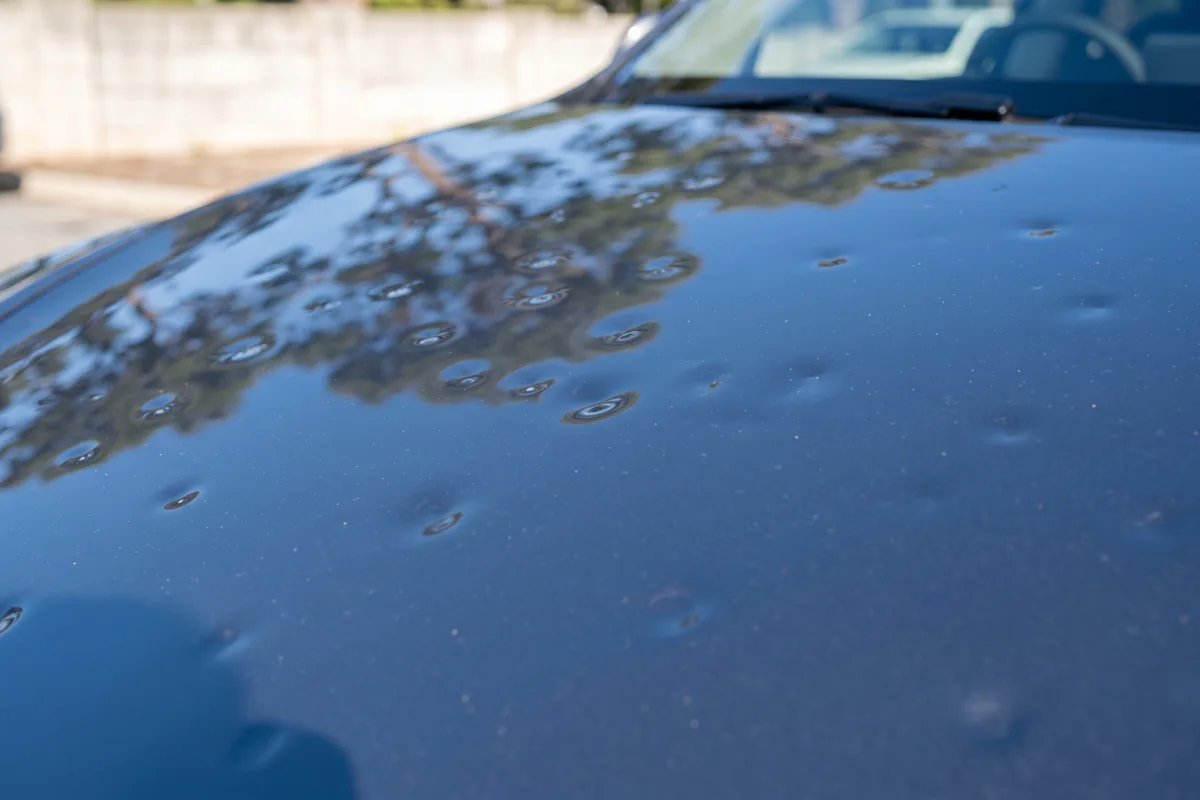
You have decided to sell your car. You are taking photos for the Carsales listing and looking at the dents: the door ding from the car park last year, the small crease on the boot, maybe some hail damage from winter. The question most Perth sellers ask is whether it is worth fixing the dents before listing. In most cases, the answer is yes. Dents cost you more at sale time than they cost to fix.
What Buyers and Dealers Actually Do When They See Dents
In a private sale on Carsales or Facebook Marketplace, first impressions shape everything. A dent does not just look like a dent to a buyer. It signals that something has been left unattended, and that thought quickly extends to the rest of the car. What else has not been looked after? That doubt costs you negotiating position before a word has been exchanged.
For dealer trade-ins, the process is more direct. The assessor sees the dents, calculates the repair cost at body shop rates, and builds that figure into the offer. Body shop rates are significantly higher than PDR. The seller absorbs the full cost of that calculation in the form of a lower offer, usually without realising exactly why the number came in where it did.
Either way, the dent gets priced. The only question is whether you pay for the repair at PDR rates beforehand, or whether the buyer or dealer prices it at body shop rates and deducts it from what they pay you.
The Numbers
A single door ding repair with PDR typically costs $250 to $350. A buyer who spots that same dent on a listing will either move on or negotiate $500 to $1,000 off the asking price. Multiple dents across different panels compound that discount quickly.
The maths of fixing dents before listing almost always favours the seller. The repair cost is known and controlled. The discount a buyer extracts is not. See PDR pricing in Perth for a general guide to what repairs typically cost.
Keeping the factory finish intact is also the foundation of resale value. Our comparison of paint protection options for your car covers how to keep it that way once the dents are fixed.
Why PDR Specifically and Not a Panel Shop
The repair method matters as much as doing the repair at all.
A panel shop repair involves repainting the affected panel. Paint thickness gauges are standard tools in used car assessments, and any reading above factory spec flags a panel as repainted. A repainted panel raises questions about prior accident damage, even when the repair was minor and the paintwork is high quality. Buyers get cautious. Dealers reduce offers. The repair that was meant to help ends up creating a different problem.
A clean PDR repair leaves the original factory paint untouched. There is nothing for a gauge to detect and no history to explain. The car presents as original condition because it is. For more on why repainted panels affect buyer confidence and valuation, see how repainting affects your car's resale value and how PDR protects your car's resale value.
When to Book
Book the PDR repair at least two to three weeks before you plan to list. This allows time for a proper assessment, the repair itself, and any follow-up work if needed.
If the car is going back to a dealer rather than onto the market, the same logic applies. See our guide to dent repair before a lease return to avoid end-of-lease charges.
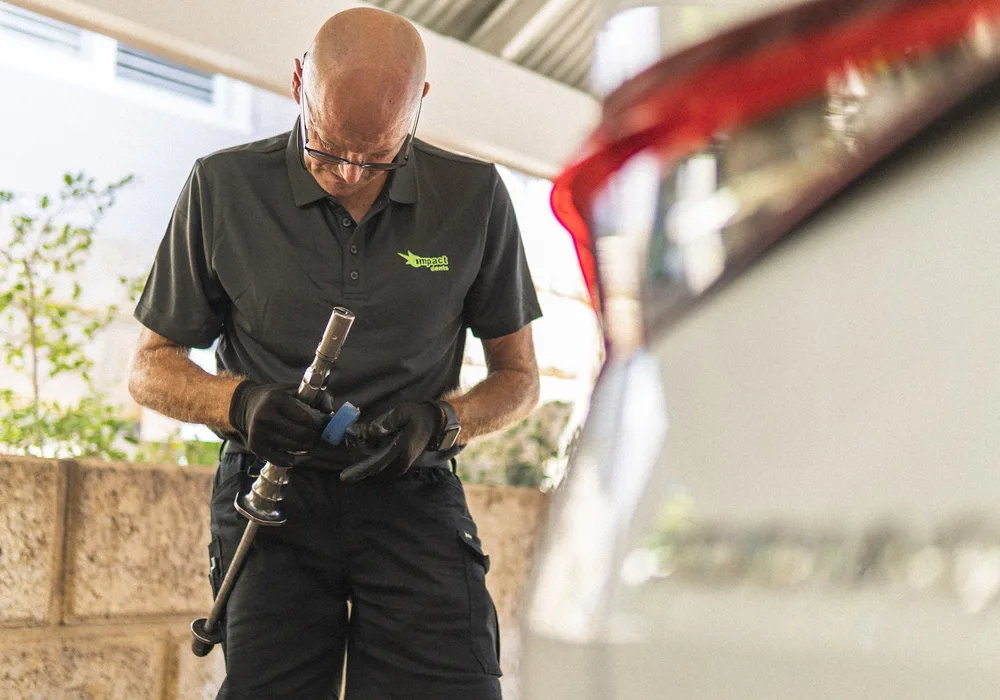
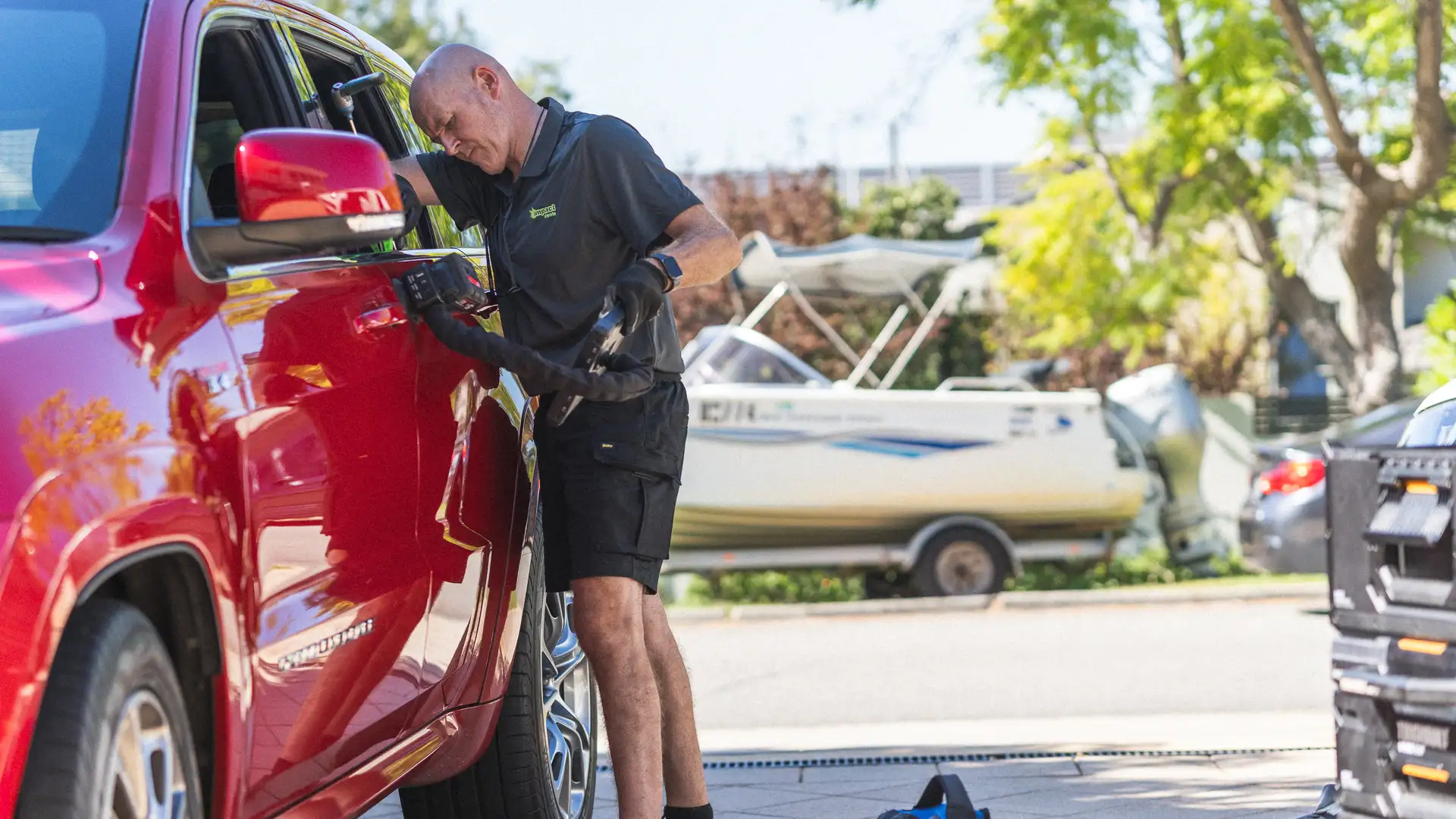
Do not leave it to the day before listing. Rushed timelines create pressure on both sides and leave no room for anything unexpected. Mark's mobile PDR service covers Perth and surrounding areas, and repairs are done at your home or workplace. There is no need to drop the car off or rearrange your schedule around a panel shop booking.
Get a Quote Before You List
Send Mark photos of the damage and receive an honest assessment of what can be fixed, what it will cost, and whether the repair makes financial sense for your specific situation. Most presale repairs pay for themselves at sale time.
Get a free quote here. Response usually within 24 hours.
Recent PDR Articles
Read our most recent PDR articles on maintaining your vehicle's appearance.
Serving All Areas of Perth
Our 100% mobile service ensures you receive top-notch dent removal wherever you are in Perth. Enjoy the convenience of professional care without the hassle of visiting a workshop.
