
Paintless Dent Removal Techniques

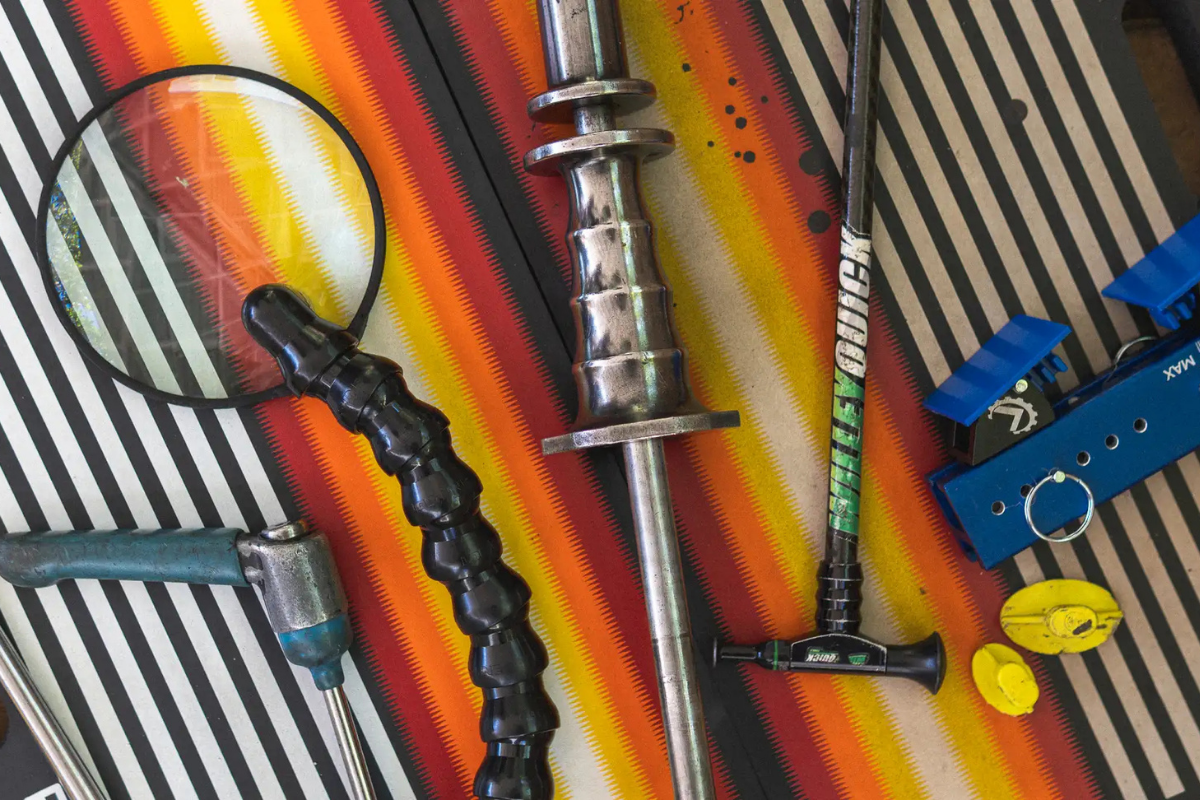
PDR uses specialist tools and trained technique to reshape metal without touching the paint. Here's what separates a skilled PDR technician from a basic repair job.
The Techniques Behind Paintless Dent Removal — and Why They Matter
Paintless dent removal looks deceptively simple from the outside. A technician arrives, spends an hour or two working on a panel, and the dent is gone, no spray booth, no filler, no repainting.
What's happening underneath is considerably more technical. The results depend almost entirely on the skill of the person doing the work, the quality of their tools, and their ability to read metal.
Here's what actually goes into a professional PDR repair.
Reading the Damage First
Before any tool touches the panel, an experienced technician assesses the dent carefully, usually under specialist lighting or reflection boards that reveal the true shape of the damage.
This step matters more than most people realise. The size of a dent visible from the outside doesn't always reflect what's happening in the metal beneath. A trained eye can determine whether the metal has been overstretched, whether the paint is under stress, and which technique will produce the cleanest result.
This assessment is also how a good technician knows when PDR isn't the right call, and when to be honest about it. It's a core part of how the PDR process works at Impact Dents.
Gaining Access to the Back of the Panel
Most PDR work is done from behind the panel. Depending on the location of the dent, that might mean removing a door card, a trim piece, or a rubber seal to create enough access to work.
This is where experience matters, accessing the panel without causing incidental damage requires knowledge of each vehicle's construction. Different makes and models have different trim configurations, clip types, and panel structures.
The Core Technique: Massage and Manipulation
Once access is established, the technician uses specialist rods and picks to apply controlled pressure to the back of the dent, gently pushing the metal back toward its original position.
This isn't a single push. It's a series of small, precise movements working from the outside of the dent inward, gradually coaxing the metal back into shape without overstretching it in the other direction.
Throughout the process, reflection boards and lighting reveal even the most subtle high spots and low spots in the panel. The goal is a surface so smooth that no trace of the repair is visible under close inspection.
This precision is exactly why DIY dent repair kits so often make damage worse, without the right tools and trained hands, it's easy to create new distortion while trying to fix the original problem.

Glue Pull Techniques
For dents where rear access isn't possible, such as some roof sections, quarter panels, or areas obstructed by structural members, a glue pull technique is used instead.
A specialised tab is bonded to the front of the dent using PDR-specific adhesive, and a slide hammer or puller is used to draw the metal outward. The tab is then released cleanly, leaving no residue on the paint surface.
Glue pulling requires different tools and a different touch to rod work, but achieves the same outcome, the metal returns to shape without the paint being disturbed.
Custom Tools Make a Significant Difference
Not all PDR tools are equal. Off-the-shelf kits available to the public are designed for the most basic, accessible repairs. Professional PDR technicians use purpose-built rods, picks, and levers, often custom-made for specific panel shapes and access scenarios.
At Impact Dents, Mark has invested in custom-manufactured tools developed specifically for the panel configurations common on Australian vehicles. This is part of what allows our dent repair service in Perth to handle repairs that many other technicians would immediately refer to a panel shop.
Why Technique Determines the Outcome
Two technicians using the same tools on the same dent can produce completely different results. PDR is a skill that takes years to develop, the ability to feel how metal is responding, adjust pressure in real time, and know when to stop.
When it's done well, the result is a panel indistinguishable from the factory original. When it's done poorly, the evidence shows up immediately under good lighting, ripples, high spots, or paint stress that wasn't there before.
That's why choosing an experienced specialist matters. The benefits of PDR are only fully realised when the technique is right.
What PDR Can and Can't Fix
PDR works best when:
- The paint is fully intact with no cracking or chipping
- The metal hasn't been overstretched or torn
- The dent hasn't been previously repaired with filler
It's suitable for door dings, creases, hail damage across multiple panels, boot and bonnet dents, and many minor collision dents. For hail damage in particular, PDR is almost always the superior option, restoring dozens of dents without touching the original paint.
Where the paint is cracked or the metal has been structurally compromised, traditional panel repair becomes necessary. An honest assessment at the start of the job should always make this clear before any work begins.
Not sure if your dent is suitable for PDR? Send Mark a photo and you'll get a straight answer, no obligation, no sales pitch. Most repairs are assessed within 24 hours.
Recent PDR Articles
Read our most recent PDR articles on maintaining your vehicle's appearance.

Serving All Areas of Perth
Our 100% mobile service ensures you receive top-notch dent removal wherever you are in Perth. Enjoy the convenience of professional care without the hassle of visiting a workshop.
