
Tesla and Electric Vehicle Dent Repair in Perth: What You Need to Know

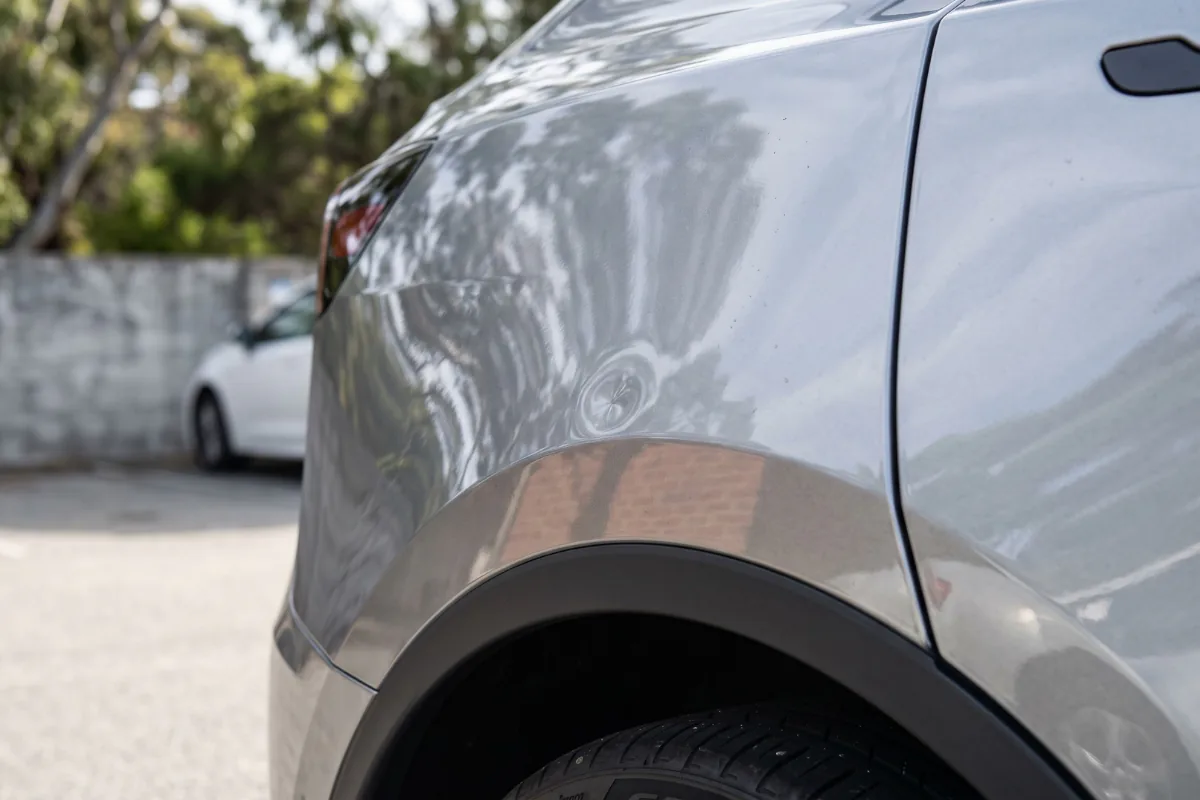
Tesla and electric vehicles have aluminium panels that behave differently to steel during PDR. Here's what Perth EV owners should know before booking a dent repair.
Tesla and EV ownership is growing quickly in Perth. When one of these vehicles picks up a dent from a car park, a hailstorm, or a minor impact, the question Mark gets most often is: can PDR actually fix this? The answer is yes, but EV and aluminium panel repairs require a different approach to standard steel vehicles. Here is what Perth Tesla and EV owners need to understand before booking a repair.
Why EVs and Teslas Are Different for Dent Repair
There are two factors that separate EV dent repair from a standard steel panel job.
The first is the material. Most modern EVs, including all current Tesla models, use aluminium panels rather than steel. Steel has what technicians call metal memory. When a steel panel is pushed back during PDR, it holds its position. Aluminium does not behave the same way. Without heat applied during the repair process, aluminium is far more likely to distort than return cleanly to its original shape. Heat makes the material pliable and allows controlled manipulation. Skip that step, and the repair can cause permanent damage to the panel.
The second factor is the high-voltage cable runs that pass through the vehicle body in EVs. These cables present a real hazard during any repair requiring rear panel access. A pierced high-voltage cable can cause a fire or seriously injure the technician. The solution is straightforward for an experienced operator: power down the vehicle correctly before any access work begins and understand the cable routing for the specific model being repaired.
Neither factor makes the repair impossible. Both require a technician who understands EV construction before picking up a tool.
What This Means in Practice
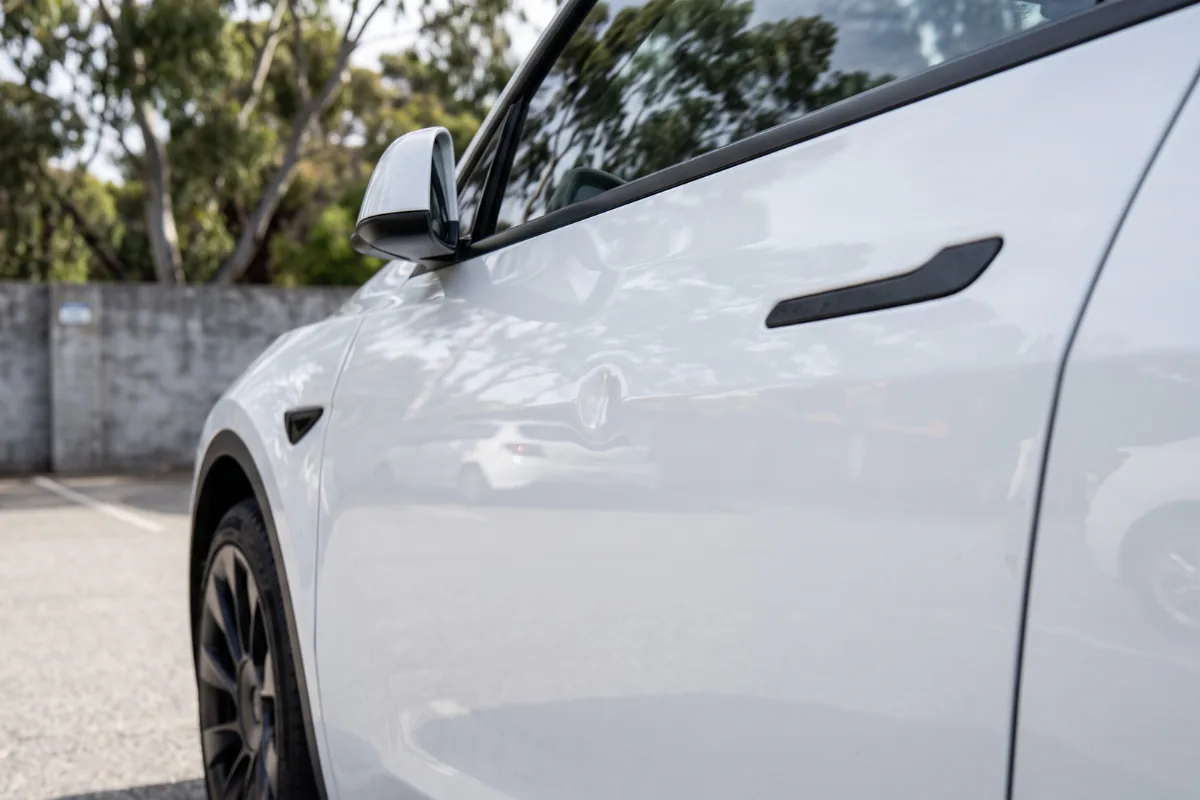
For a PDR technician with the right knowledge and equipment, aluminium EV panels are a manageable challenge rather than a barrier.
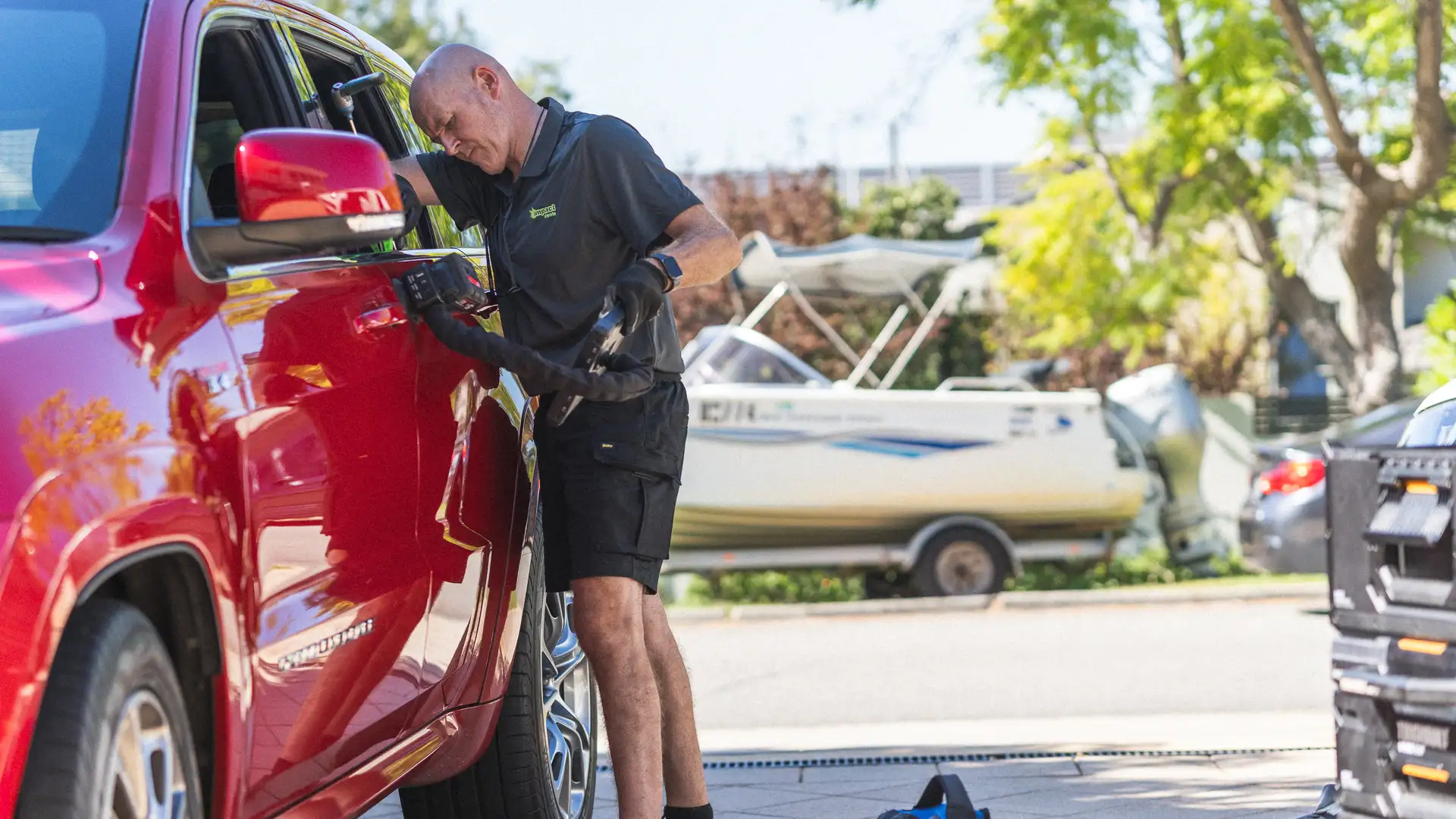
Heat application is the standard approach for aluminium. Warming the panel surface makes the metal pliable enough for the controlled pushing and massaging that PDR requires. On panels where rear access would bring a technician close to cable runs or battery components, glue pull techniques allow the dent to be addressed entirely from the outside of the panel. No rear access required, no risk to cable infrastructure.
The key variable is whether the technician working on your vehicle understands EV construction specifically: where the battery pack sits, how the cable runs are routed, and which panels require extra caution. General PDR experience does not automatically translate to EV experience. The two overlap significantly, but the differences matter.
For more detail on how PDR works as a process, see PDR techniques.
What Types of EV Dents Suit PDR
The same basic assessment rules apply to EVs as to any other vehicle. If the paint is intact and the metal has not been severely deformed, PDR is almost always the right first call.
Dents that suit PDR on EV panels include:
- Door dings and car park knocks
- Small to medium hail dents across body panels
- Bonnet dents where the paint surface has held
- Shallow dents on flat or gently curved panels with good access
Models Mark sees regularly in Perth include the Tesla Model 3, Tesla Model Y, BYD Atto 3, and Polestar 2. Each has slightly different panel construction and cable routing, and each is assessed on its own terms rather than treated as a generic EV.
For vehicles that have sustained hail damage across multiple panels, see how paintless dent removal fixes hail dents for a more detailed breakdown of that specific scenario.
What to Watch Out For
Not every PDR operator has worked on aluminium panels or understands EV construction. This is worth asking about directly before booking.
Using standard steel techniques on an aluminium panel can cause permanent distortion that makes the damage worse rather than better. Applying too much force without heat, or using tools designed for steel on aluminium, can stretch the metal in ways that PDR cannot correct afterwards.
Before booking any PDR work on a Tesla or EV, ask the technician whether they have worked on aluminium-bodied vehicles before and how they approach the specific panel type your dent involves. A technician who cannot answer that question clearly is not the right person for the job.
Mark has repaired aluminium-bodied vehicles and understands the additional steps involved. If the repair requires a different approach or falls outside what PDR can reliably achieve, that assessment comes upfront, not after the work has started.
Does Factory Paint Still Matter on an EV?
It does, and possibly more so. Tesla and premium EV resale values in Perth are closely watched, and original factory paint is a meaningful factor for buyers assessing these vehicles. A panel that has been resprayed raises questions, regardless of the quality of the repaint work.
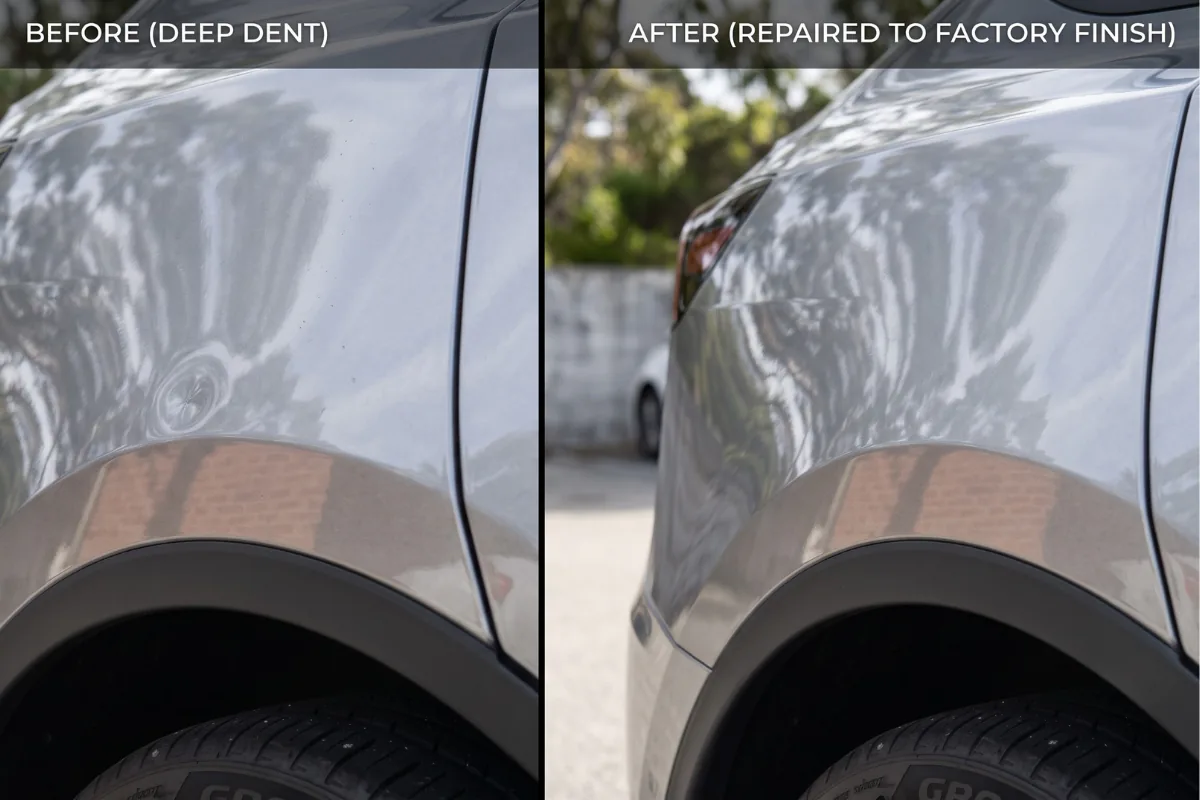
PDR on an EV preserves the factory finish completely. No paint, no fillers, no evidence of prior repair. For EV owners who plan to sell or trade the vehicle at the end of ownership, that matters. Read more about how PDR protects your car's resale value.
If you want to keep that finish protected after repair, here is a breakdown of which paint protection option suits your car. And if the vehicle is on a novated lease, our lease return dent repair guide explains what to fix before handback.
Get an Honest Assessment First
The fastest way to find out whether your Tesla or EV dent is suitable for PDR is to send photos. Mark will give you a straight answer on whether it is a PDR job, what the process involves for your specific vehicle, and what it is likely to cost.
Get a free quote, or get in touch through the paintless dent removal service in Perth page if you have questions before sending photos.
Recent PDR Articles
Read our most recent PDR articles on maintaining your vehicle's appearance.
Serving All Areas of Perth
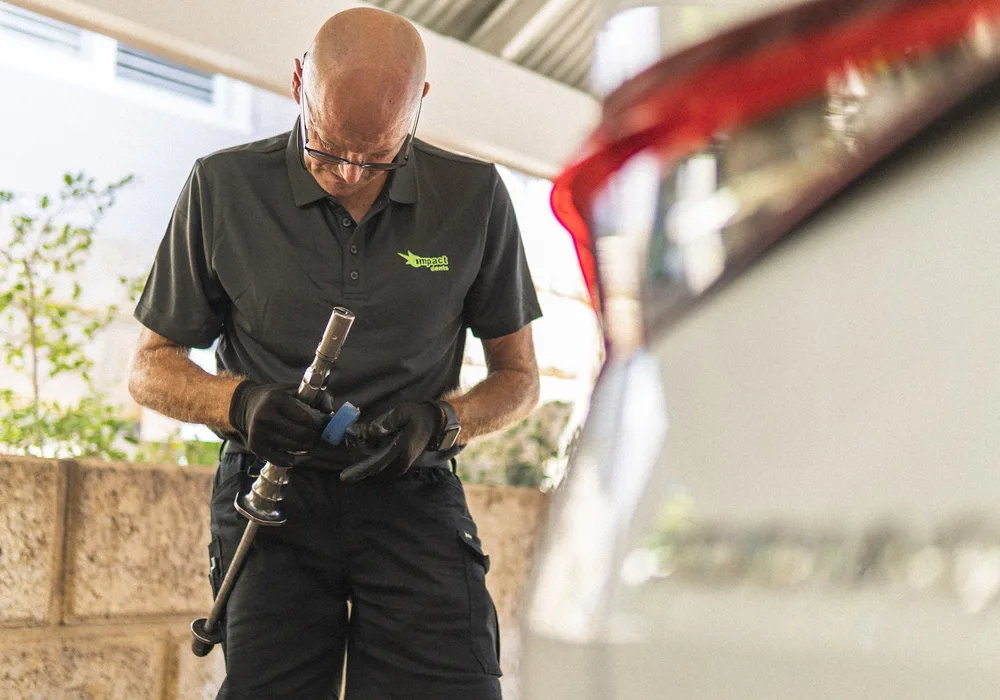
Our 100% mobile service ensures you receive top-notch dent removal wherever you are in Perth. Enjoy the convenience of professional care without the hassle of visiting a workshop.
